
Prototyping and Concept Validation

It was a highly collaborative process. They took the time to become well-versed in the intricacies of our business, and instead of big reveals at set milestones, we were in constant communication throughout the process. That enabled us to experiment with a wide variety of ideas and to incorporate findings quickly.

Yosuke Hall
Co-Founder
Carma
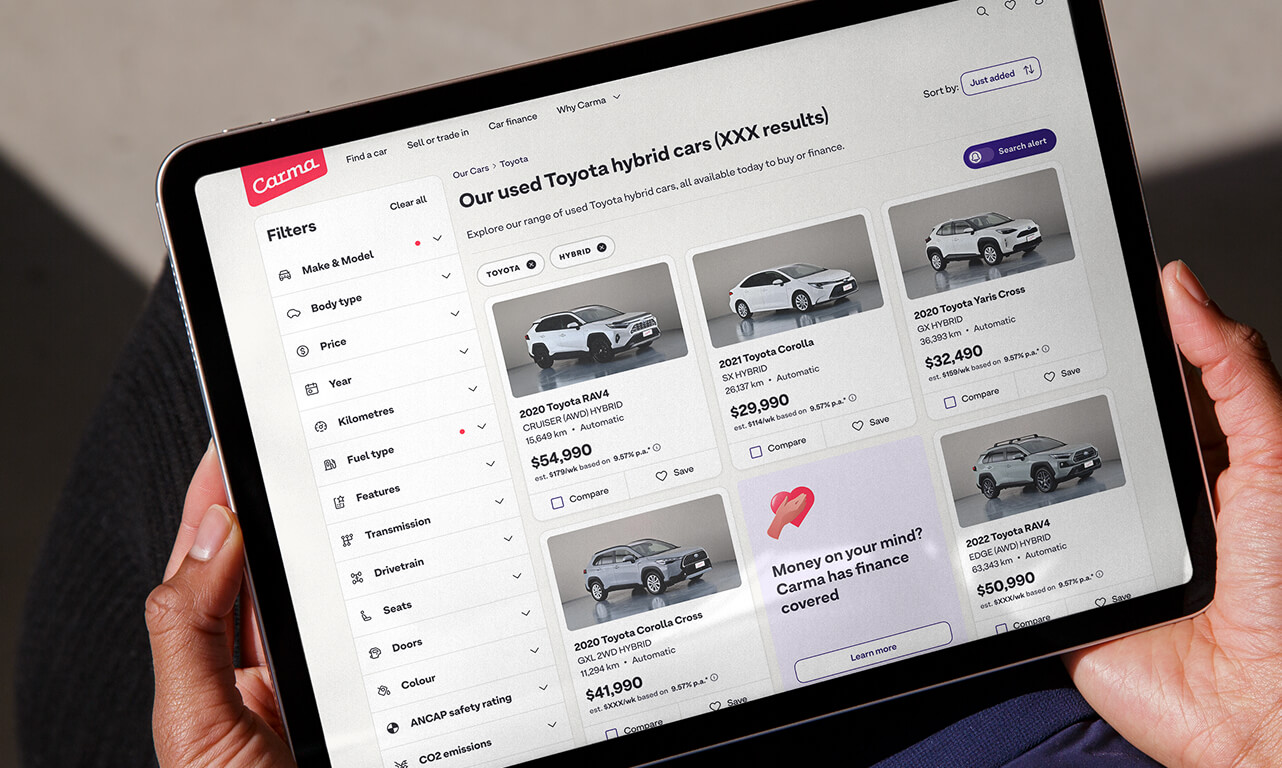
A prototype's job is to make the team argue about the right things faster. UntilNow builds Figma, Framer, and interactive prototypes designed to test concepts with real users, surface the questions worth answering, and produce shippable decisions, not pretty deliverables that sit in a Drive folder.
Book a call
What we offer
Our Prototyping and Concept Validation Services
We build prototypes as decision tools. The goal isn't to produce a polished artefact, it's to get the right answer to the right question fast enough that the team can act on it.
- High Fidelity Figma Prototypes: Interactive Figma prototypes built for stakeholder review, user testing, and design validation, with real interactions and content.
- Framer and ProtoPie Prototypes: Higher fidelity interactive prototypes for products needing motion, gesture, and complex state, where Figma's limits start to bite.
- Concept Validation: Sprint based concept validation pairing prototypes with real user testing, producing evidence on whether the bet is worth building.
- Wireframe and Low Fidelity Prototypes: Earlier stage wireframes and low fidelity flows for teams shaping the structural decisions before visual design starts.
- Functional Prototypes: No code or lightly coded prototypes for products needing real data, real auth, or real backend behaviour to validate properly.
- Prototype Testing and Synthesis: User testing rounds, synthesis, and recommendations designed to feed directly into design and build decisions.
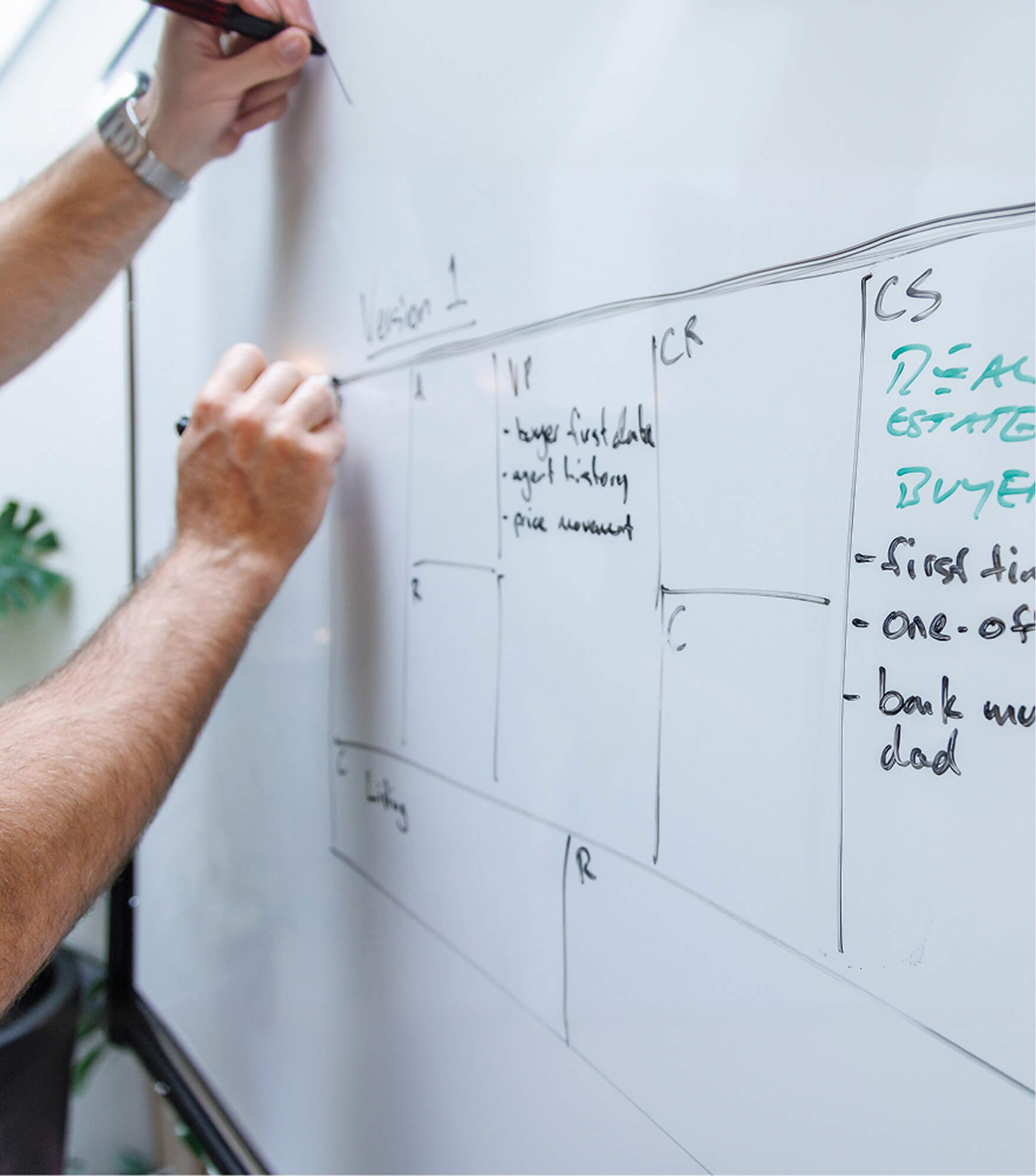
How we do it?
Benefits of Working with a Prototyping Agency
Done well, prototyping replaces internal debate with external evidence. We build ours to do exactly that.
- Test the Idea, Not Just the Screen: Prototypes designed around the strategic question, with the fidelity and scope built around what needs to be answered, not the design itself.
- Decisions in Weeks: Sprint based engagements producing testable prototypes and validation evidence in 2 to 4 weeks rather than dragging into long design phases.
- Built for Handover: Prototypes designed to feed directly into design, engineering, or build decisions, with clear annotations and specs where they need to.
- Right Fidelity by Default: We pick the lowest fidelity that answers the question, not the highest fidelity that looks impressive. Saves time, money, and avoids prototype theatre.
Book a call
FAQs
Prototyping and Concept Validation Services
Do I need a prototype or a wireframe?
Depends on the question. Wireframes work when you need to shape structure, navigation, or information architecture. Prototypes work when you need to test interactions, decisions, or user behaviour. The biggest mistake is building a high fidelity prototype to answer a structural question, or vice versa, both produce noise instead of clarity.
How long does a high fidelity prototype take?
A focused interactive Figma prototype typically takes 1 to 2 weeks. Larger prototypes covering multiple flows, complex states, or paired with user testing usually run 3 to 4 weeks. Concept validation sprints with prototype plus user testing rounds typically run 2 to 4 weeks end to end.
Can prototypes be tested with real users?
Yes, and they should be. The whole point of a prototype is to put it in front of users and learn something. We pair prototypes with user testing as part of most concept validation engagements, including recruitment, moderation, and synthesis. We can also hand off testable prototypes for in-house research teams to run.
Do you hand off prototypes to engineering?
Yes. Prototypes are designed to feed into design and build decisions, with clear annotations, component logic, and specs where engineering needs them. For prototypes built in Figma alongside design system work, the handoff is even tighter, with components reused directly into build.
What's the difference between a prototype and an MVP?
A prototype is built to test an idea. An MVP is built to ship to users. Prototypes are usually shorter lived, lower fidelity in some areas (often without real data, auth, or backend), and built primarily for learning. MVPs are production grade, designed to validate with real users in market. We help you decide which one you actually need.
When should we prototype before building?
Whenever the cost of building the wrong thing is higher than the cost of prototyping. That's most of the time, but particularly true for new product bets, complex flows, regulated industries, or anything where the team is divided on direction. A two week prototype can save months of building the wrong thing.
Do you run user testing as part of prototyping?
Yes. Many prototyping engagements include 2 to 3 rounds of user testing with recruitment, moderation, and synthesis. Testing isn't always required, sometimes the prototype is for stakeholder alignment or design exploration, not external validation. We help you scope the right mix.
Can you build a prototype to pitch to investors or leadership?
Yes. Prototypes built for fundraising, board pitches, or leadership alignment are common, particularly for early stage products that need to show the future state without the full build cost. The work focuses on the moments that matter most for the audience, with everything else shaped to support the central pitch.
Results
Metrics
that matter
No items found.
Work
Prototyping and Concept Validation Services
No items found.
Testimonial
In their words
It was a highly collaborative process. They took the time to become well-versed in the intricacies of our business, and instead of big reveals at set milestones, we were in constant communication throughout the process. That enabled us to experiment with a wide variety of ideas and to incorporate findings quickly.
Yosuke Hall
Co-Founder
Carma
Recent News
